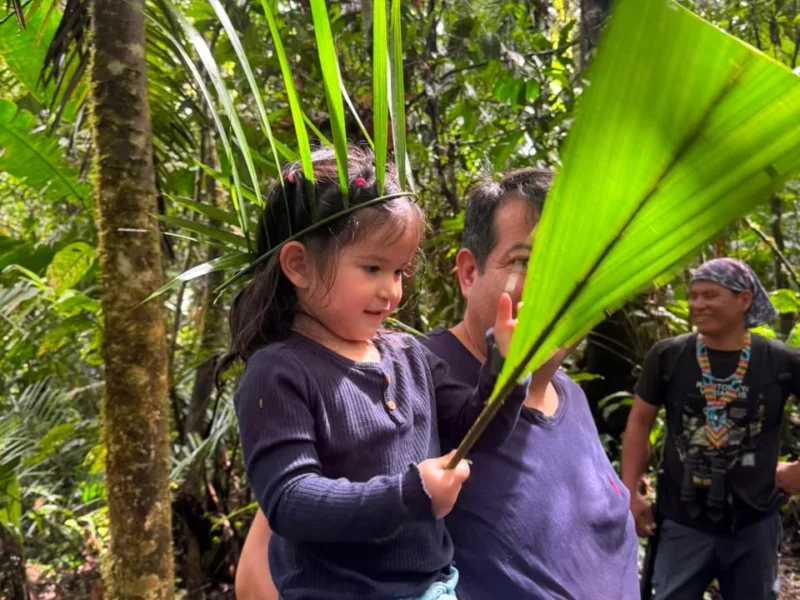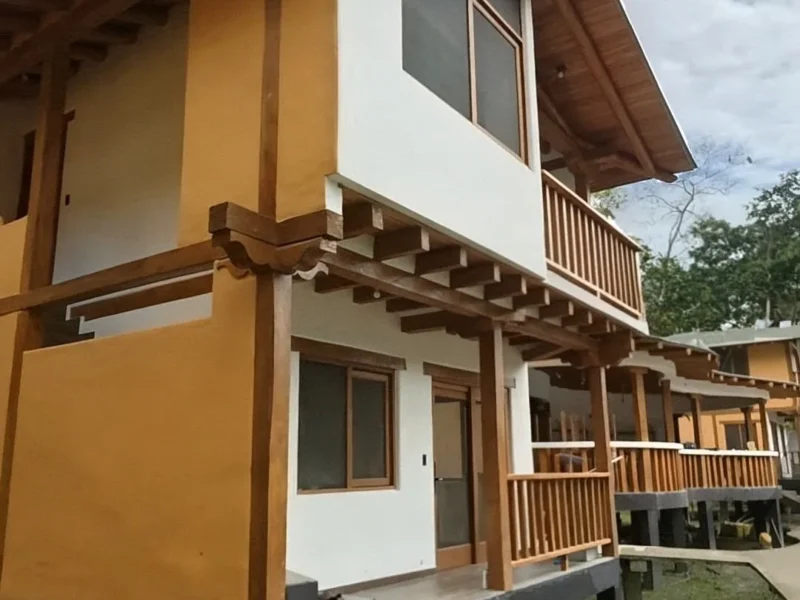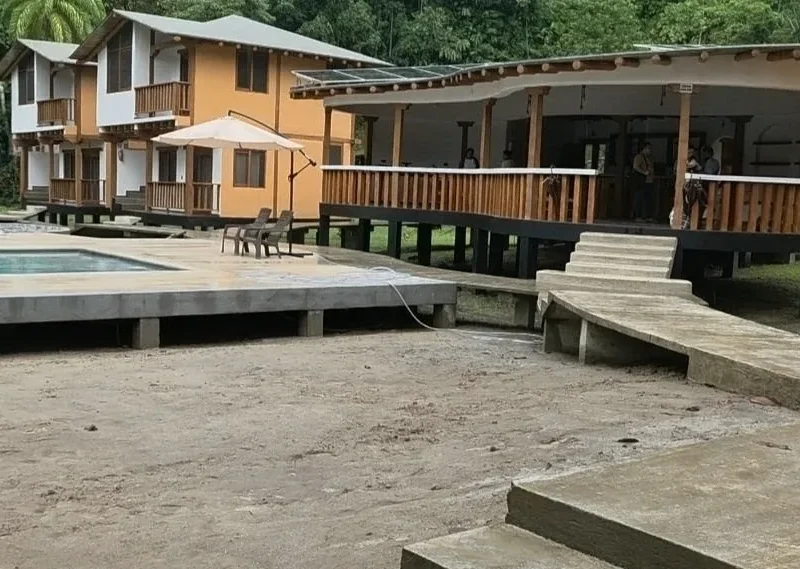
Most Amazon itineraries promise a community visit and leave it at that. On the Arajuno River, in Napo province, ours has a name and a programme. It means an afternoon with the families of San Bartolo Sharayaku, a Kichwa community visited from our Napo Amazon EcoLodge. The programme includes every river transfer.
This guide covers who the Kichwa of the Napo are and what happens during those hours. It also explains the words on the itinerary and which tours include the visit.
Who are the Kichwa of the Napo?
The Kichwa are the most numerous Indigenous people of the Ecuadorian Amazon. Also, the families along the Napo and its tributaries often go by the name Napo Runa. Their language belongs to the same family as the one spoken in the Andean highlands. So a traveller who has been to Otavalo will recognise words in Arajuno.
Daily life turns around the chacra: the family plot cleared in the forest and planted with yuca, plantain and cacao. Alongside it come fishing in the river and a working knowledge of the forest as pharmacy, larder and hardware store. The rainforest here is not scenery, it is the household economy. Also, it is the backdrop to the whole afternoon: the chicha, the fire, the food, the dances.
What happens during the community afternoon
On our three and four day programmes the visit fills the afternoon of day two, after lunch back at the lodge. The itinerary sets it out step by step:
- The welcome: the community leader introduces the families.
- Chicha: you take part in brewing it the traditional way. Then comes an optional toast with guayusa tea and fermented chicha.
- Dances: Amazonian dances performed in traditional dress.
- The tulpa workshop: cooking maito, yuca and the staple foods of the household on the tulpa fire.
- The pambamesa: everyone sits down together and eats the food straight off the fire.
- Handicrafts: time at the end to buy pieces made by the community.
The two day programme also lists the Sharayaku community on its day two excursion. That excursion shares the day with the Pañayaku reserve and Caiman Island. However, which of the three you see depends on the weather and operating conditions of the day. If the community is why you are travelling, book three days or more.
Chicha, tulpa, maito, pambamesa: the words explained
The itinerary uses Kichwa words because there is no tidy English equivalent for any of them:
- Chicha: the everyday drink of the household, made from boiled yuca, mashed and left to ferment. Mild when young, sharper as the days pass; offering it is how a Kichwa house says welcome.
- Guayusa: a tea brewed from the leaves of an Amazonian holly. Families traditionally drink it in the small hours before dawn, while they talk through dreams and plan the day.
- Tulpa: the hearth of three stones at the centre of the house. There the family keeps the fire alive and does the cooking.
- Maito: fish, palm heart or meat wrapped in leaves and cooked over the fire, steaming in its own juices.
- Pambamesa: literally a table on the ground. Food goes out on leaves in a long line, and everybody eats from it together.
Which tours include the Kichwa community
Three programme lengths on the Arajuno River reach San Bartolo Sharayaku: two, three and four days. Each comes in more than one published version, so our tours page shows several cards per length. The prices below are the lowest of each. All sleep at Napo Amazon EcoLodge and depart any day of the week. Also, all include full board, a bilingual English and Spanish guide and every canoe transfer:
- Discover the Amazon: 2 Days at Napo Amazon EcoLodge, from $192 per person. Easy. One night. The Sharayaku community shares the day two excursion with the Pañayaku reserve and Caiman Island, subject to conditions.
- Explore the Amazon: 3 Days on the Arajuno River, from $243 per person. Easy. The full community afternoon lands on day two. On top of that, an artisanal chocolate workshop lets you dry, roast, grind and taste the cacao yourself.
- Adventure in the Amazon: 4 Days near Tena, from $354 per person. Moderate. Everything above plus tubing, kayaking or paddling on the Arajuno. Also, a hike of around three hours crosses secondary forest, where the local guide explains the medicinal plants.
All three also include the dawn visit to the saladero, a natural clay lick. Few of them remain in the Ecuadorian Amazon, and birds gather there to eat mineral rich clay.
Practical details worth knowing before you go
- Where the day starts: the Arajuno River Bridge at 12:00, then twenty minutes upriver by canoe to the lodge.
- The entrance fee: USD 10 per person covers entry to the community and the Pañayaku reserve. You pay it separately from the tour price, and it may change.
- Getting to the bridge: the tour does not include the journey from Quito. However, we can arrange a door to door transfer at an extra cost.
- What we lend you: life jackets, rain ponchos and rubber boots in EU sizes 34 to 45. Outside that range, bring your own.
- What to wear: long sleeved shirts and comfortable trousers rather than jeans. Also a hat, repellent, sunscreen and a small waterproof backpack. A torch matters for the night walk.
- Meals: full board at the lodge, served self-service and cooked with local ingredients. Breakfast is at 8:00 a.m.
How to be a good guest
- Ask before you photograph. A group performance is one thing, a kitchen or a small child is another.
- Accept or decline the chicha calmly. The toast is optional and a polite no costs nothing. Pretending to be delighted and then abandoning a full bowl is worse.
- Leave room in your bag. The handicrafts come at the very end, so there is nothing to decide while the cooking is still going on.
- Keep the ceremony conversation separate. Extra activities such as rafting or an ayahuasca ceremony are not part of the community afternoon. We arrange and charge them separately, so ask us in advance rather than on the day.
Meet the families on the Arajuno
We are a local Ecuadorian operator, Napo Amazon EcoLodge is our own lodge, and our guides come from the region. So we write the community afternoon into the itinerary rather than selling it as an add-on on arrival. Check dates on the Explore the Amazon: 3 Days on the Arajuno River page. After that, browse the rest of our tours in Ecuador, or send us a WhatsApp at +593 98 094 2338. We will tell you which length fits the time you have.