Ecuador is a cacao country, and Napo province is one of the places where that is still true at household scale. Around Tena the cacao does not stand in plantation rows. It grows inside the chakra, the mixed Kichwa garden plot where fruit trees, yuca, medicinal plants and cacao share the same shade, and where families dry and roast what they pick instead of selling it raw.
An artisanal chocolate workshop here is that household process opened up. No factory floor, no tasting counter at the exit: a table, heat, and work that ends with something you can eat. Here is what the activity involves, which of our Arajuno River programmes include it, and what the days around it look like.
Why cacao grows the way it does around Tena
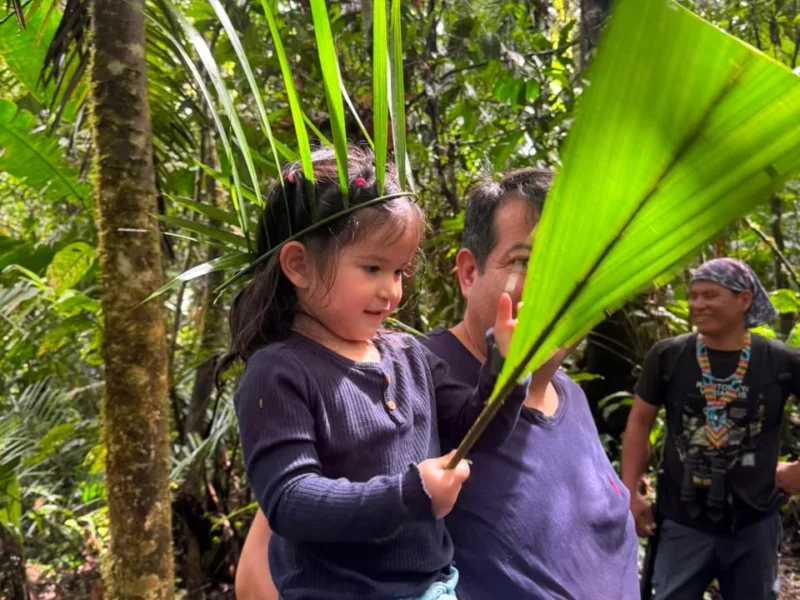
The Napo lowlands sit at the warm, wet end of the range cacao likes: rain through the year, no dry season worth the name, constant humidity under a high canopy. Cacao is an understorey tree by nature, fruiting in the shade of taller species, so the chakra suits it almost by accident. Instead of clearing ground for a single crop, the plot keeps its shade trees and lets cacao grow among the food the family needs.
That matters twice over. The forest stays standing, which is the whole argument for growing cacao this way instead of pasture. And the beans stay in the household long enough to be worked by hand, which is why a workshop like this exists at all: the knowledge is domestic, not industrial.
What the workshop actually involves
Four steps, and you do all four. Our itinerary describes the activity as drying, roasting, grinding and tasting, learning the traditional techniques used by local families. In practice that means:
- Drying: beans spread out until the last of the moisture leaves them, the slow stage that decides how the rest will taste.
- Roasting: over heat until the shells loosen and the smell turns from fruit and vinegar into something you recognise as chocolate.
- Grinding: the peeled nibs worked down by hand until the fat releases and the crumb collapses into a dark, heavy paste.
- Tasting: that paste, unsweetened or barely sweetened, where most visitors find out what cacao actually tastes like.
Notice where the list starts. Harvesting the pods and fermenting the wet beans run on the tree’s calendar, not on a visitor’s morning. The half you take over is the half that turns a dried seed into food.
Which trips include it
The chocolate activity is not a standalone excursion you book in town. It belongs to our multi-day programmes at Tena Amazon Lodge, on the Arajuno River, and it runs after the self-service breakfast on the final morning.
- Explore the Amazon: 3 Days on the Arajuno River, $243 per person. The workshop is day 3, after breakfast and before you pack. Graded easy.
- Adventure in the Amazon: 4 Days near Tena, $354 per person. The workshop is day 4, after a pre-dawn walk to a natural lookout to watch the jungle wake up and breakfast at 8:00 a.m. Graded moderate, with superior suite rooms and a bathtub.
- Discover the Amazon: 2 Days at Tena Amazon Lodge, $192 per person. The short break, and the one to watch: its itinerary does not include the chocolate activity. If cacao is your reason for coming, start at three days.
One caveat, and it belongs to the 3 day programme specifically: our itinerary for that trip states that the day of the chocolate activity may vary, but it always takes place. On the 4 day trip the fine print says only that the order of activities can change for weather, operational or safety reasons. Amazon itineraries get reshuffled constantly, so read the day numbers as a plan.
The savoury half of the same knowledge
Cacao is the sweet end of a much wider Kichwa food tradition, and the three and four-day programmes put both side by side. The afternoon at San Bartolo Sharayaku, a Kichwa community of Arajuno, covers the savoury half: the community leader introduces the families, you brew chicha the traditional way, there is an optional toast with guayusa tea and fermented chicha, dances in traditional dress, and a tulpa workshop cooking maito and yuca over the fire. Everyone then sits down at the pambamesa to eat what has just been made.
Around the food sit the parts of the Arajuno that have nothing to do with it. Dawn at the saladero, a natural clay lick and one of the few still preserved in the Ecuadorian Amazon, where parrots and parakeets gather to eat mineral-rich clay. The Pañayaku reserve and Caiman Island, conditions permitting. A night walk built around the chorus of frogs and insects. The four-day version adds tubing, kayaking or paddling on the river, plus a three-hour hike on secondary forest trails where the guide explains medicinal plants and their ancestral uses.
Practical things worth knowing
- Where we meet you: the Arajuno River Bridge (Puente del Rio Arajuno) at 12:00, then about 20 minutes upriver by motorised canoe to the lodge.
- Getting to the bridge: the Quito to Arajuno River Bridge journey is not included. We can arrange a door-to-door transfer at an extra cost, so ask when you book.
- Cash to carry: entrance to the community and the Pañayaku reserve is USD 10 per person, subject to change, and is paid separately from the tour price.
- Departures: any day of the week, with a bilingual guide in English and Spanish.
- Included: full board served self-service, all motorised canoe transport, life jackets, rain ponchos and rubber boots in EU sizes 34 to 45. Bring your own boots if your size falls outside that range.
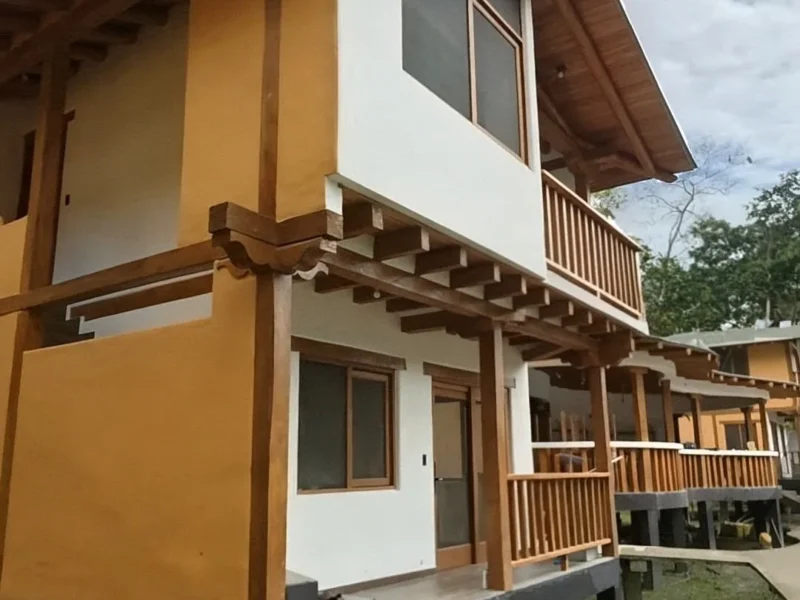
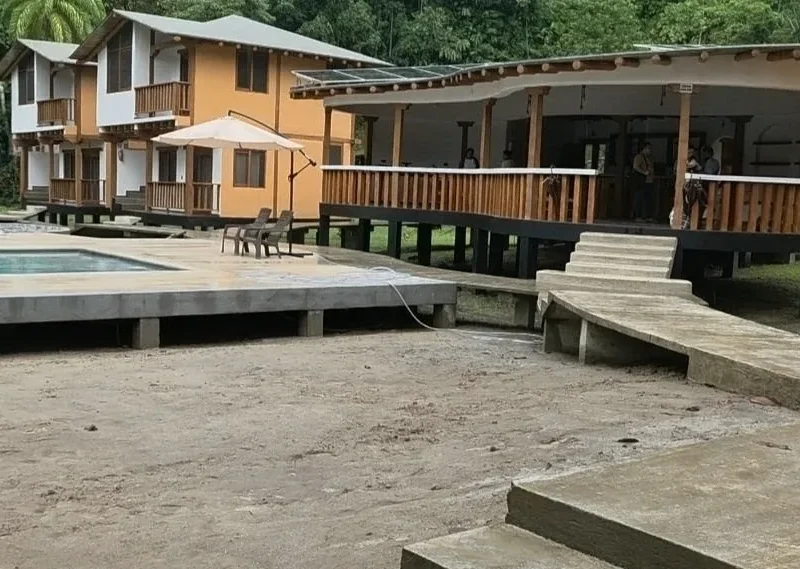
- At the lodge: Starlink satellite internet in the common areas and electricity in every room from solar panels. There is no air conditioning and no internet in the rooms.
- Breakfast: 8:00 a.m., the meal the chocolate morning starts from.
Come and grind it yourself
We are a local Ecuadorian operator and we run these Arajuno River programmes ourselves, with our own lodge and our own bilingual guides, which is why we can tell you exactly where the cacao falls in the week. Check dates and book on the 3 Days on the Arajuno River page or the 4 Days near Tena page, see everything we run in Tena and the Napo River, browse the rest of our tours, or send us a WhatsApp at +593 98 094 2338 and we will tell you whether three days or four suits you better.