
Cotopaxi altitude sickness starts with simple arithmetic: Quito sits at 2,850 m (9,350 ft), the parking lot inside Cotopaxi National Park at 4,600 m (15,092 ft), and the Jose Rivas refuge above it at 4,800 m (15,748 ft). On a day trip you cover that difference in a vehicle, before you have taken a single step. That gap is why some visitors spend the drive home with a headache.
Altitude sickness on Cotopaxi is not a fitness problem. It comes down to how fast you go up and what you do once you are there.
What Cotopaxi altitude sickness feels like
The mild, common form is acute mountain sickness. It appears a few hours after you gain height, and the signs are ordinary enough that people talk themselves out of them:
- Headache. The cardinal symptom: dull, pressing, only half fixed by painkillers.
- Nausea and no appetite. Lunch stops sounding like a good idea.
- Dizziness when you stand up or walk uphill.
- Breathlessness out of proportion to the effort. Twenty slow steps and you are gasping.
Being young and fit does not protect you. If you have a heart or lung condition, are pregnant, or take regular medication, talk to your own doctor before you fly.
How high do you actually go?
Higher than most people expect, and with far less walking than they fear. The altitude ladder of our Cotopaxi Hike and Bike:
- 2,945 m. The acclimatization stop that opens the day, with Pasochoa, Ruminahui, Corazon and the Ilinizas in view.
- 4,600 m. The parking lot, where the vehicle stops and the hike starts.
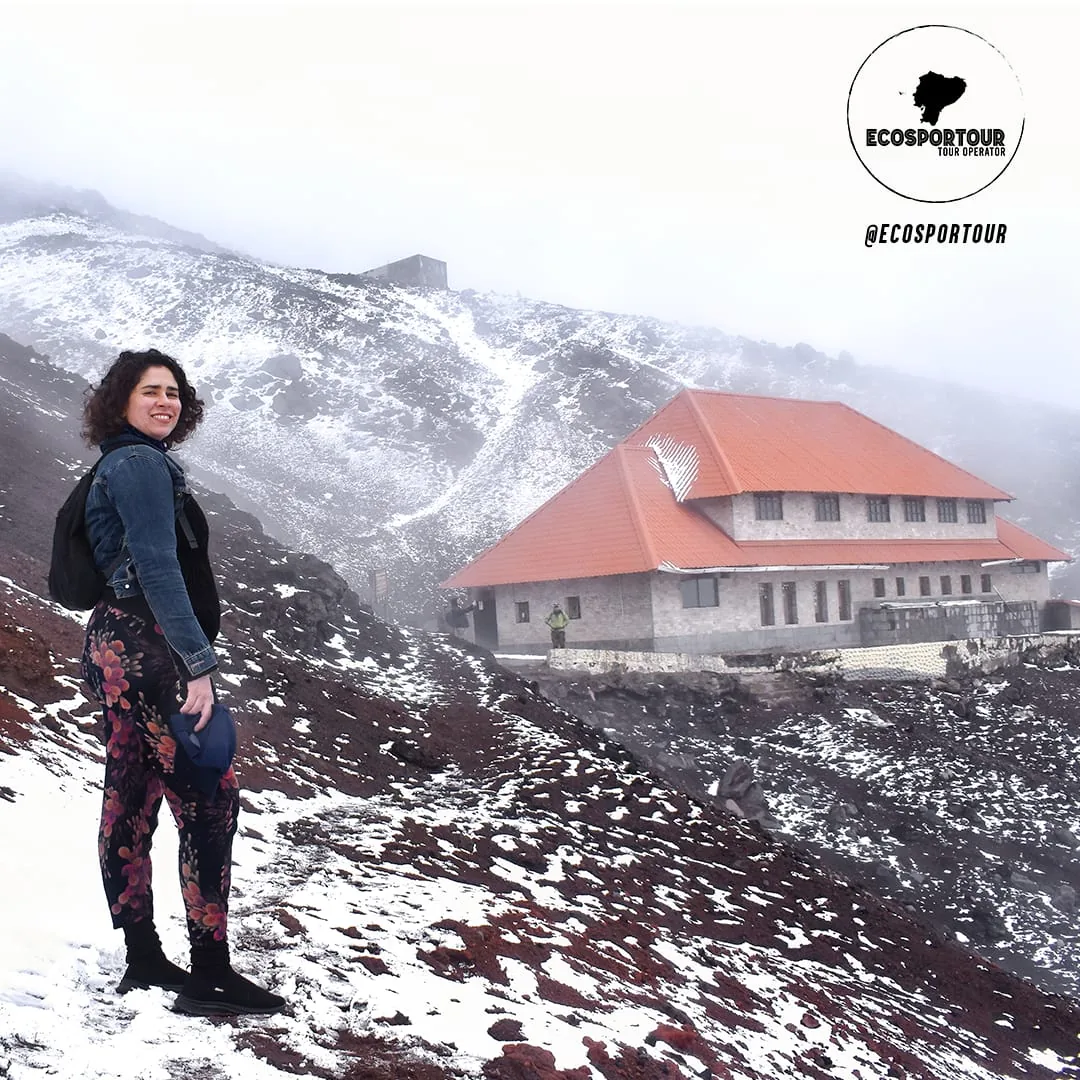
- 4,800 m. The Jose Rivas refuge, the highest point of the day.
- 3,850 m. Limpiopungo Lagoon, where the optional 45-minute bike descent ends.
Almost all the height gain happens sitting down. You climb around 200 m on your own legs, in air with roughly half the oxygen of sea level. Our complete Cotopaxi day trip guide covers the rest of the day.
Acclimatize in Quito before you go
The most effective thing you can do costs nothing: put Cotopaxi in the right place in your itinerary. Quito is already high, so the city does part of the work while you eat, walk and sleep.
- Two nights in Quito first. Not your first morning off the plane, especially coming from sea level.
- Keep the day before easy. A gentle walk around the city, not a hard hike.
- Drink more water than usual. Dry Andean air dehydrates you faster than you notice, which makes every symptom worse.
- Go easy on alcohol and sleep properly. Pick-up is at 7:10 a.m. at Foch Square or 7:20 a.m. at Zular Coffee Shop on San Blas Square.
- Eat before pick-up. The day includes a menu-type lunch, not breakfast, and the first stop is for acclimatization, not a meal.
How to walk at 4,800 m
The hike from the parking lot to the refuge is not technical: no equipment, no rope, no previous experience. The limiting factor is not your legs, it is the air.
- Go slower than feels natural. A pace that seems ridiculous at the start is the correct one.
- Breathe deliberately, deeper and a little faster than usual, in rhythm with your steps.
- Rest standing, briefly and often, instead of long stops that let you get cold.
- Do not treat the refuge as a target. Plenty of people stop short of it and have an excellent day.
What to do if it hits you anyway
Tell your guide, immediately and without apologising. The treatment is not a pill, it is losing height, and here that is easy: the vehicle waits at 4,600 m and the rest of the day happens lower, at Limpiopungo Lagoon at 3,850 m. The bike descent is optional too, so you can ride down in the van instead. Come down straight away if there is confusion, trouble walking in a straight line, breathlessness while resting, or vomiting that will not stop.
Lower ways to see the same volcano
- Cotopaxi Horseback Riding, from $112. Three hours in the saddle in the lower park, near the Limpiopungo valley at 3,850 m, with a native chagra guide. Chaps, poncho, helmet, lunch and park permits included.
- Cotopaxi + Quilotoa 2 Days 1 Night, from $152. The refuge hike on day one, then a night at a tourist-class hotel near Cotopaxi, so day two starts at 8:30 a.m.
On the Hike and Bike day itself, a three-hour horseback ride can replace the hike and the bike descent for $50 extra, booked in advance.
Going for the summit? Acclimatize first
The Cotopaxi Summit Climb is another proposition entirely: 5,897 m, two days and one night, from $405, with an ASEGUIM-certified guide and rope teams of two climbers per guide. There are no climbing walls on the route: what decides whether you get there is how well acclimatized you arrive. Build up first on Fuya Fuya, 4,290 m and $130 above the Mojanda Lakes, on Rucu Pichincha, 4,698 m reached from the cable car at 3,945 m, and on Iliniza Norte, 5,126 m, non-technical and right beside Cotopaxi National Park.
Ready for Cotopaxi without the headache?
We operate this tour ourselves, with our own guides and our own authorized transport: a 10-hour day from Quito, Wednesday, Friday, Saturday and Sunday, from $61, with lunch, bike, helmet and the protected area permits included. Book on the Cotopaxi Hike and Bike page, browse the rest of our tours from Quito, or send us a WhatsApp at +593 98 094 2338 and tell us when you land. We will tell you straight which day of your trip Cotopaxi belongs on.